


Metabolic Health Clinic
Metabolic health is something we measure, not guess at. Weight on the scales tells you very little about insulin resistance, visceral fat, muscle mass or cardiorespiratory fitness, which are the factors that actually drive long term risk. Our clinic combines a specialist consultation with objective testing, so you know exactly where you stand and can track what changes.
Three measurements that matter more than the scales
DEXA body composition
Visceral fat, lean muscle mass and bone density in a ten minute scan. Visceral fat is the fat that matters most for metabolic risk, and DEXA is the most precise way to track it.
About DEXAVO2 max testing
Cardiorespiratory fitness is one of the strongest predictors of long term health. A VO2 max test gives you a baseline and the training zones to improve it.
About VO2 maxSpecialist review
Blood work, medical history and your test results reviewed together by a Sport and Exercise Medicine Physician, with a plan built around exercise, nutrition and, where appropriate, medication.
Book a consultationInsulin resistance: the most common cause of weight gain, and of weight that will not shift
Weight gain and obesity are not simply diseases of over-nourishment. Whilst there is certainly an "obesogenic environment" that we currently live in, there are contributions from medical conditions. Often these conditions remain undiagnosed for years, while patients undertake apparently futile attempts at diet and exercise without results or knowledge of any meaningful metabolic change.
In mainstream media there is often talk of endocrine disorders such as hypothyroidism, Cushing's disease and even pituitary tumours as causes of weight gain. These are relatively rare. Insulin resistance is far more common, and it is not taught well, if at all, in most medical courses. If you are interested in understanding this problem and what to do about it, start with the video.
Is visceral fat associated with injury and pain?
Absolutely yes. When we think of musculoskeletal pain, we often think about tissue injury. However, it is important to realise that many of the chronic and recalcitrant problems we see in musculoskeletal medicine are contributed to strongly by metabolic health. And it goes far beyond simply putting more stress on your joints.
We see a huge range of patients in our clinic, from "metabolic perfection" in highly insulin sensitive and fuel efficient athletes, to "metabolically sick" diabetic patients with severely elevated blood glucose levels damaging their small and large blood vessels, and everything in between.
When we look at patients at the sickest end of the metabolic spectrum, we see a rampant increase in many chronic disorders.
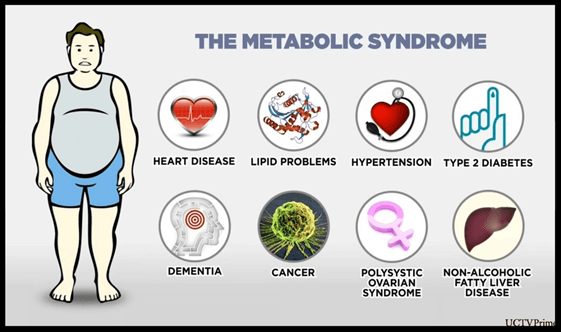

Patients with hand arthritis have as much as a 40 to 50% improvement in their pain when they lose 5 to 10% of body weight. 6
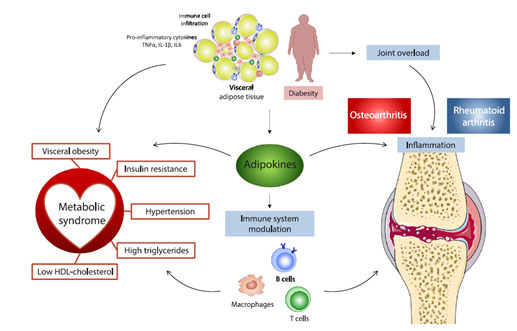
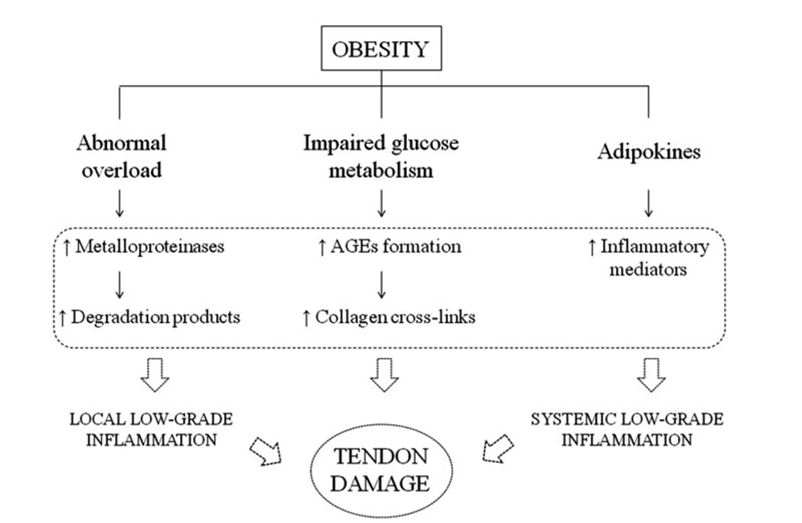
Three ways poor metabolic health damages tissue
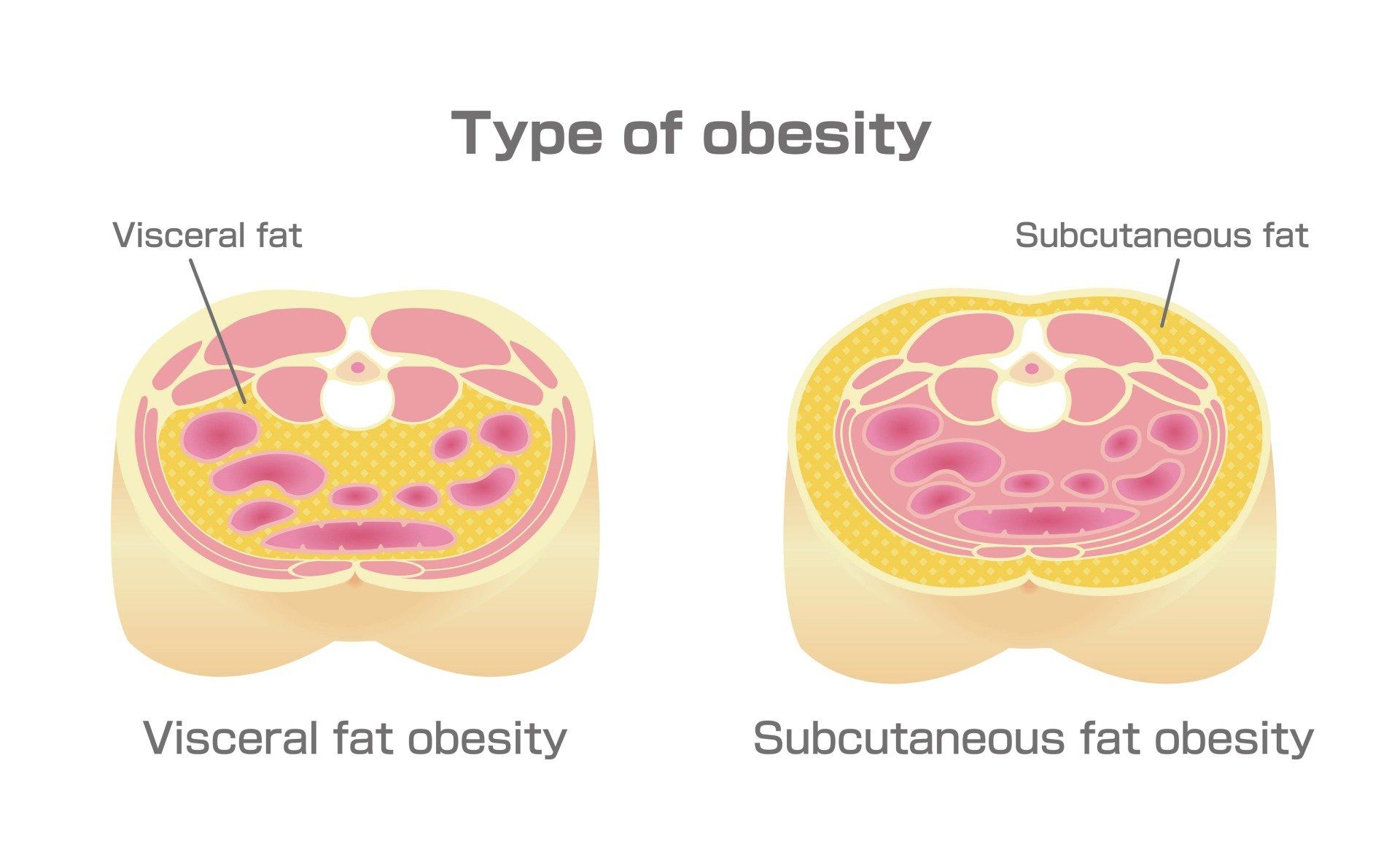
1. Visceral fat and adipokines
Chronically high insulin levels lead to fat accumulation around the abdominal organs. This visceral fat is strongly pro-inflammatory, releasing chemicals called adipokines. 12-15 At any moment an ageing human has some wear and tear all over the body; adipokines make those areas far more likely to become inflamed and painful.
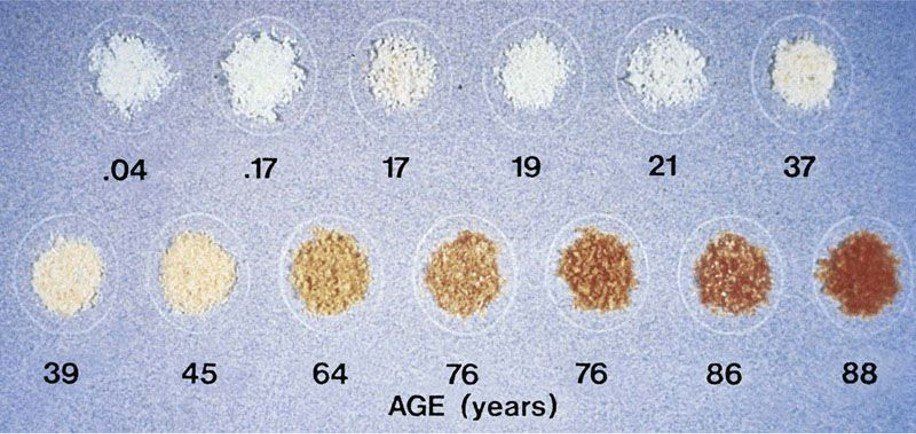
2. Glycation
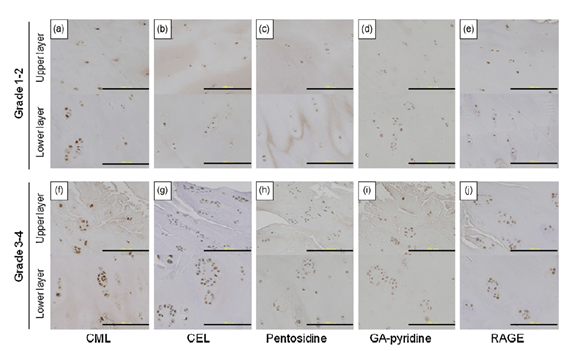
Spikes of glucose and chronically elevated glucose bind to our proteins and damage them. This is glycation, producing advanced glycation end products: essentially the browning or caramelisation of your own tissues, including tendons, joints and the lens of the eye. The image shows rib cartilage browning across the lifespan; the same has been shown with increasing grades of osteoarthritis. 16,17
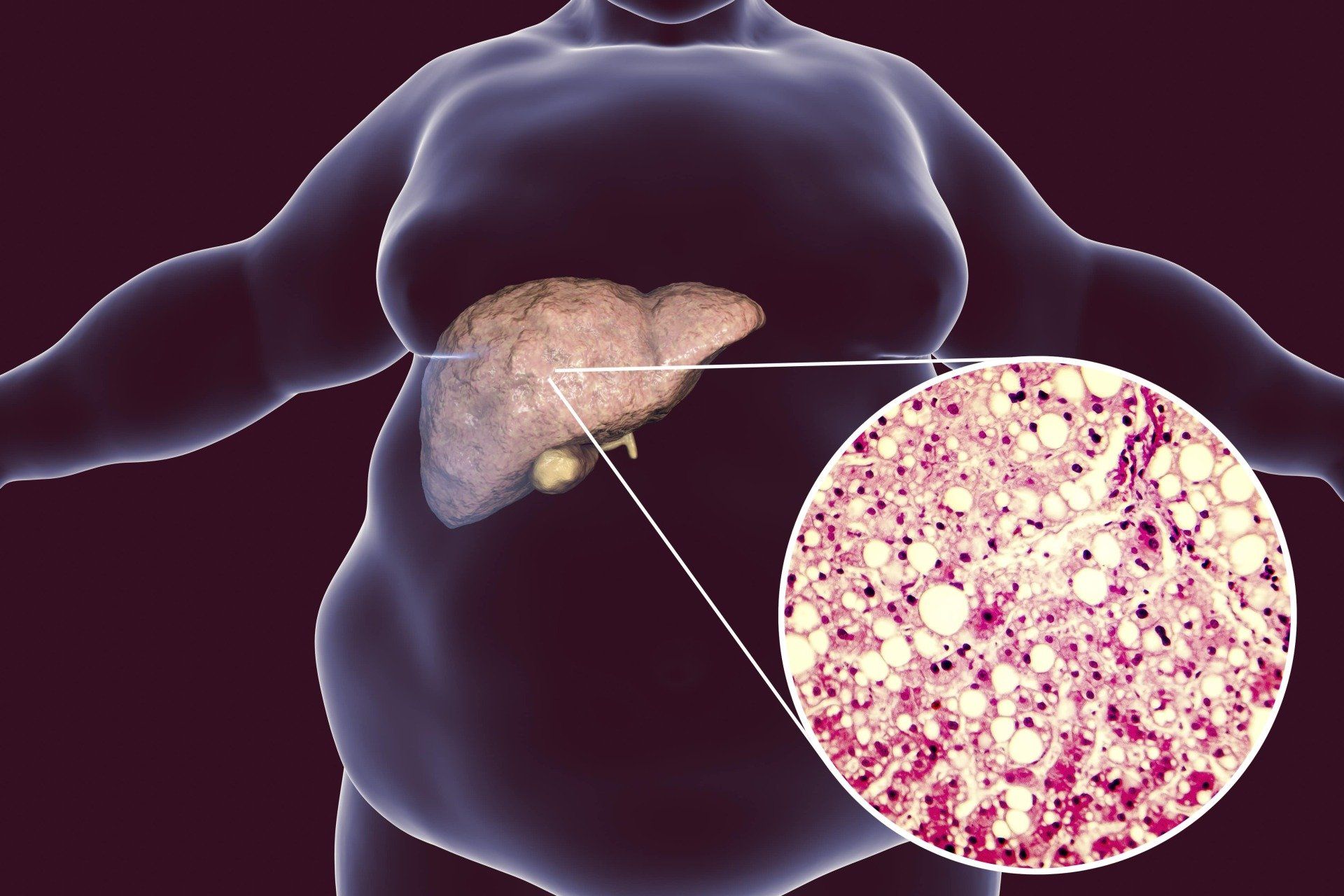
3. Fatty liver and MMPs
Accumulation of fat in the liver, known as non alcoholic fatty liver disease or NAFLD, can lead the liver to erratically produce enzymes called MMPs that degrade tissue matrix such as cartilage and tendon. 18-20
While it is important to address local sources of pain and optimise loading conditions for recovery, lifestyle change is also of great value to many patients suffering these conditions as a manifestation of poor metabolic health, before more significant health issues arise. There are different ways to achieve a low insulin lifestyle, and if you have struggled with multiple musculoskeletal issues, the educational series below outlines the theory and application of this approach.
The Low Insulin Lifestyle
The Low Insulin Lifestyle is a term Dr Samra coined to address two important facts:
- Diets do not work long term. Lifestyles do.
- The hormonal model of weight gain explains human behaviour and physiology much better than the calorie model.
- Understanding insulin resistance is at the heart of managing the metabolic syndrome and obesity.
Video series
The series below outlines the approach and practical principles of achieving a low insulin lifestyle, and how to be scientific about it to ensure long term success. Watch in order, or jump to the topic you need.
Obesity substantially contributes to
- Preventable, non communicable diseases
- Musculoskeletal pain
- Shortened life expectancy
- Impaired quality of life
- Systemic inflammation (making existing injuries hurt more)
Doctors and scientists hypothesise that obesity may be a protective mechanism against the development of hyperglycaemia and diabetes. It exists along the spectrum of symptoms of persistently high insulin levels, the "metabolic syndrome". Poor metabolic health is associated with:
- Type 2 diabetes
- Musculoskeletal disorders (joint pain, bursitis, ligament and tendon damage as above)
- Heart disease, hypertension and stroke
- Depression, anxiety and cognitive decline
Weight gain and long term obesity can be caused by a number of factors
- Genetic susceptibility
- Development of insulin resistance, starting at the level of muscle tissue with deposition of diacylglycerol
- Habitual high sugar intake leading to de novo lipogenesis
- Habitual high carbohydrate intake maintaining de novo lipogenesis
- High alcohol intake (also leading to fatty liver)
- Hormonal abnormalities (such as PCOS, hyperinsulinaemia syndrome, Prader-Willi syndrome, hypothyroidism, Cushing's syndrome)
- High caloric intake secondary to the above factors
- Physical inactivity and sarcopenia (loss of muscle mass)
Independent advice
Dr Samra has no commercial conflicts of interest and does not invest in or advise any companies. The following affiliations are listed for the benefit of patients' further education and information.


Measure it, then manage it
Book a metabolic health consultation, or start with a DEXA scan to see your visceral fat and muscle mass today.
Reference List
- Baskerville R, McCartney DE, McCartney SM, Dawes H, Tan GD. Tendinopathy in type 2 diabetes: a condition between specialties? Br J Gen Pract. 2018 Dec;68(677):593–4.
- Lui PPY. Tendinopathy in diabetes mellitus patients-Epidemiology, pathogenesis, and management. Scand J Med Sci Sports. 2017 Aug;27(8):776–87.
- Ranger TA, Wong AMY, Cook JL, Gaida JE. Is there an association between tendinopathy and diabetes mellitus? A systematic review with meta-analysis. Br J Sports Med. 2016 Aug;50(16):982–9.
- Louati K, Vidal C, Berenbaum F, Sellam J. Association between diabetes mellitus and osteoarthritis: systematic literature review and meta-analysis. RMD Open [Internet]. 2015 Jun 2 [cited 2020 May 15];1(1). Available from: https://www.ncbi.nlm.nih.gov/pmc/articles/PMC4613158/
- Silveri F, Brecciaroli D, Argentati F, Cervini C. Serum levels of insulin in overweight patients with osteoarthritis of the knee. J Rheumatol. 1994 Oct;21(10):1899–902.
- Yusuf E, Nelissen RG, Ioan-Facsinay A, Stojanovic-Susulic V, DeGroot J, van Osch G, et al. Association between weight or body mass index and hand osteoarthritis: a systematic review. Ann Rheum Dis. 2010 Apr;69(4):761–5.
- Zreik NH, Malik RA, Charalambous CP. Adhesive capsulitis of the shoulder and diabetes: a meta-analysis of prevalence. Muscles Ligaments Tendons J. 2016 May 19;6(1):26–34.
- Austin DC, Gans I, Park MJ, Carey JL, Kelly JD. The association of metabolic syndrome markers with adhesive capsulitis. J Shoulder Elbow Surg. 2014 Jul;23(7):1043–51.
- Priesand SJ, Schmidt BM, Ang L, Wrobel JS, Munson M, Ye W, et al. Plantar fasciitis in patients with type 1 and type 2 diabetes: A contemporary cohort study. J Diabetes Complications. 2019 Oct;33(10):107399.
- Cameron AJ, Magliano DJ, Zimmet PZ, Welborn T, Shaw JE. The Metabolic Syndrome in Australia: Prevalence using four definitions. Diabetes Res Clin Pract. 2007 Sep;77(3):471–8.
- Ervin RB. Prevalence of Metabolic Syndrome Among Adults 20 Years of Age and Over, by Sex, Age, Race and Ethnicity, and Body Mass Index: United States,. 2009;(13):8.
- de Boer TN, van Spil WE, Huisman AM, Polak AA, Bijlsma JWJ, Lafeber FPJG, et al. Serum adipokines in osteoarthritis; comparison with controls and relationship with local parameters of synovial inflammation and cartilage damage. Osteoarthritis Cartilage. 2012 Aug;20(8):846–53.
- Francisco V, Ruiz-Fernández C, Pino J, Mera A, González-Gay MA, Gómez R, et al. Adipokines: Linking metabolic syndrome, the immune system, and arthritic diseases. Biochem Pharmacol. 2019 Jul;165:196–206.
- Zheng S, Xu J, Xu S, Zhang M, Huang S, He F, et al. Association between circulating adipokines, radiographic changes, and knee cartilage volume in patients with knee osteoarthritis. Scand J Rheumatol. 2016;45(3):224–9.
- Jung UJ, Choi M-S. Obesity and Its Metabolic Complications: The Role of Adipokines and the Relationship between Obesity, Inflammation, Insulin Resistance, Dyslipidemia and Nonalcoholic Fatty Liver Disease. Int J Mol Sci. 2014 Apr 11;15(4):6184–223.
- Hirose J, Yamabe S, Takada K, Okamoto N, Nagai R, Mizuta H. Immunohistochemical distribution of advanced glycation end products (AGEs) in human osteoarthritic cartilage. Acta Histochem. 2011 Oct;113(6):613–8.
- Saudek DM, Kay J. Advanced glycation endproducts and osteoarthritis. Curr Rheumatol Rep. 2003 Feb;5(1):33–40.
- Murata K, Uchida K, Takano S, Shoji S, Iwase D, Inoue G, et al. Osteoarthritis patients with high haemoglobin A1c have increased Toll-like receptor 4 and matrix metalloprotease-13 expression in the synovium. Diabetes Metab Syndr Obes Targets Ther. 2019 Jul 16;12:1151–9.
- Kostopoulou F, Malizos KN, Papathanasiou I, Tsezou A. MicroRNA-33a regulates cholesterol synthesis and cholesterol efflux-related genes in osteoarthritic chondrocytes. Arthritis Res Ther. 2015;17(1):42.
- Loeser RF, Beavers DP, Bay-Jensen AC, Karsdal MA, Nicklas BJ, Guermazi A, et al. Effects of Dietary Weight Loss with and without Exercise on Interstitial Matrix Turnover and Tissue Inflammation Biomarkers in Adults with Knee Osteoarthritis: The Intensive Diet and Exercise for Arthritis Trial (IDEA). Osteoarthritis Cartilage. 2017 Nov;25(11):1822–8.