


Bone Stress Injuries • Progressive Sports Medicine
Stress Fractures
Bone is living tissue that is constantly being removed and rebuilt. A stress fracture is what happens when the damage outpaces the repair. Catching it early, respecting the high-risk sites, and fixing what compromised the repair in the first place is what gets you back safely.
Introduction
What is a stress fracture?
Bone is living tissue which is constantly being removed and created. It is normal for force through a bone to cause microscopic damage that the body quickly repairs. If the damage is too much or too repetitive, or the body’s repair systems are compromised (fatigue, illness, lack of recovery), then a particular bone can become progressively weakened in one spot.

Stress injuries can be anything from a slight weakening or bruising of the bone to a displaced fracture, and everything in between. With the development of improved imaging technology (high resolution MRI), we are now picking up bone stress injuries that could not previously be seen on other scans.
 Watch: understanding stress fractures ▶ Watch on YouTube
Causes
Why stress fractures happen
Sometimes the causes for a stress fracture are obvious, such as athletes suddenly increasing training intensities or volumes. But often stress fractures can occur without an obvious escalation in training or clear cause.
A very common mistake athletes make in self-diagnosing: “I couldn’t possibly have a stress fracture, I have only been training at low volumes or intensity.” Training volume is just one of the many potential contributing factors, and many athletes and non-athletes develop stress fractures seemingly innocuously with very low activity levels at times.
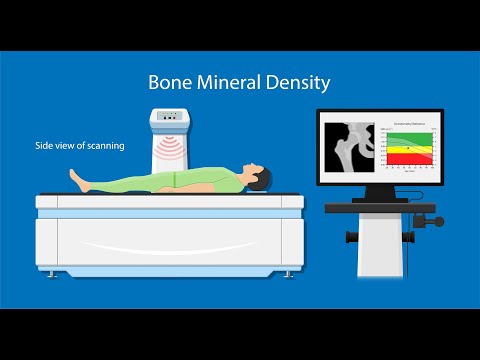
Because bone health is the other half of the equation, we look beyond the training diary: energy availability and nutrition, bone density, vitamin D and calcium status, hormonal health (including menstrual history), sleep, illness, and biomechanics all shape how well bone keeps up with load. Several of these are measured directly with the DEXA scanning available in our clinic.
Symptoms & diagnosis
How stress fractures present
The most reliable feature to find when examined is direct tenderness over a bone, such as a metatarsal (foot) or tibia (shin). Not all stress fractures behave in the typical manner, but pain that is worse with increased weight-bearing activity is common. If you also have localised tenderness to touch over a bony area, the suspicion is higher still. You need to be examined by an experienced professional to accurately assess this.

Plenty of stress fractures still won’t be so obvious. Hip and spine stress fractures can produce vaguely located pain and no localised tenderness.
X-rays are often normal early, so when a stress fracture is suspected we go to MRI, which shows the bone bruising of early stress injury long before a fracture line, and lets us grade severity. Shin pain in particular has a differential worth respecting: medial tibial stress syndrome (“shin splints”), which affects only the soft tissues, sits at the mild end of the same spectrum, while exertional compartment syndrome is a separate diagnosis we can test for in the clinic.
Take these seriously
High-risk sites: when a small crack has big consequences
Continuing to push through pain can lead to much more severe fractures, and some bones and locations are higher risk for dire consequences.
The worst-case example. Stress fractures of the hip can lead to the development of AVN (avascular necrosis), where damage to the blood supply of the hip leads a patient to require a hip replacement. Because of the effects on blood supply, an undiagnosed superior femoral neck stress fracture can lead a young athlete to require a hip replacement.

Other high-risk sites, where the fracture line is under tension or the blood supply is precarious, include the front of the tibia (the “dreaded black line”), the navicular in the foot, the base of the fifth metatarsal, the talus, the patella, and stress fractures of the pelvis and spine (pars). These are managed far more conservatively than a routine metatarsal or fibular stress fracture, and some require protected weight-bearing or a surgical opinion.
The hidden driver
Energy availability, REDs and bone health
One of the most important, and most missed, contributors to stress fractures is not enough fuel for the work being done. When energy intake does not cover both training and the body’s basic needs, the body economises, and bone is one of the first systems to pay. Hormonal changes and impaired repair weaken bone, and stress fractures follow, often at surprisingly low training loads.


The International Olympic Committee formalised this as Relative Energy Deficiency in Sport (REDs), a syndrome affecting both female and male athletes and extending well beyond bone to performance, immunity, mood and metabolism. In our clinic, assessing energy availability is a routine part of stress fracture care, particularly for recurrent or high-risk injuries: bone density with DEXA, blood tests, menstrual and hormonal history, and dietetic support to restore the energy balance that lets bone heal. Longer-term bone health is covered on our osteopenia & sarcopenia page.
Treatment
Treatment and getting back
There is no set amount of rest for all stress fractures. Some heal very quickly and are very forgiving, others can take much longer.
Management is built on three things at once. First, protect the bone: offloading matched to the site and grade, from simple activity modification through to a boot or protected weight-bearing for high-risk sites, with a surgical opinion where needed. Second, fix what compromised the repair: energy availability, nutrition, vitamin D and calcium, sleep, illness and biomechanics, so the same bone does not fail again. Third, maintain fitness during the healing window with non-impact cross-training so the return is from strength, not from scratch.
Return to activity is graded and criteria-based, guided by the bone involved, the grade on imaging, your symptoms and your bone health rather than a fixed number of weeks. Our exercise physiology team supervises the progression back to full loading. Stress injuries in growing athletes carry their own considerations, covered on our childhood injuries page.
The evidence
Key references
- Mountjoy M, et al. The IOC consensus statement: beyond the Female Athlete Triad. Relative Energy Deficiency in Sport (RED-S). Br J Sports Med 2014;48:491–497. doi:10.1136/bjsports-2014-093502
- Mountjoy M, et al. 2023 International Olympic Committee’s (IOC) consensus statement on Relative Energy Deficiency in Sport (REDs). Br J Sports Med 2023;57:1073–1097. doi:10.1136/bjsports-2023-106994
- Diehl JJ, Best TM, Kaeding CC. Classification and return-to-play considerations for stress fractures. Clin Sports Med 2006;25:17–28. doi:10.1016/j.csm.2005.08.012
Common questions
Stress fracture FAQs
This is the most common self-diagnosis mistake we see. Training volume is just one of many contributing factors, and plenty of athletes and non-athletes develop stress fractures seemingly innocuously at very low activity levels. Bone health, energy availability, sleep, illness and recovery all shape how well bone repairs itself, so a low training load does not rule out a bone stress injury.
They sit on the same spectrum of bone stress, from a slight weakening or bruising of the bone to a displaced fracture. The most reliable feature is direct tenderness over a bone, such as a metatarsal or the tibia, with pain that is worse with increased weight-bearing activity. But plenty of stress fractures are not obvious, and hip and spine injuries in particular can produce vaguely located pain with no localised tenderness, so an experienced examination and often MRI is needed.
No. Continuing to push through pain can convert a small bone stress injury into a much more severe fracture, and some bones and locations carry dire consequences. The starkest example is a stress fracture at the top of the femoral neck (hip), which can disrupt the blood supply and lead to avascular necrosis, leaving a young athlete needing a hip replacement.
There is no set amount of rest for all stress fractures. Some heal very quickly and are very forgiving; others take much longer, and a few sites need protection or even surgery. Return to activity is graded and criteria-based, guided by the bone involved, the grade on imaging, your symptoms and your bone health, rather than a fixed number of weeks.
Relative Energy Deficiency in Sport (REDs) describes what happens when the energy you take in does not cover the energy your training and your body require. Bone is one of the first systems affected: hormonal changes and impaired repair weaken bone and raise the risk of stress fractures, alongside effects on performance, mood, immunity and recovery. Assessing energy availability, and correcting it with dietetic support, is a core part of stress fracture care, particularly for recurrent or high-risk injuries.
Bone pain that’s worse the more you load it?
Our Sport and Exercise Physicians in Leichhardt can examine and image it properly, rule out the high-risk sites, assess your bone health and energy availability, and build a graded plan back to full activity.
This page provides general information only and is not a substitute for personalised medical advice. Please consult a qualified health practitioner for assessment of your individual circumstances.