

Diagnosed late, built for decades
Dementia is usually diagnosed late in life. The biology behind it is not. Vascular changes, less efficient glucose use in the brain, and the slow accumulation of amyloid and tau can all be underway for two decades or more before the first symptom is noticed by anyone, including the person it is happening to. By the time a diagnosis is made, the disease is not beginning. It is being recognised.
That timing gap matters, because it changes what question is worth asking. Not "am I showing signs," but "what is happening now, while there is still time for it to matter." Dr Samra discusses this pattern in the practice's video education series.

Neurodegeneration does not sit apart from vascular health
Neurodegeneration is one of four conditions, alongside cardiovascular disease, cancer, and metabolic disease, that shape health in the second half of life. They are frequently discussed as separate problems with separate causes. The evidence does not support treating them that way.
Vascular health and brain health share biology rather than sitting in different systems, which is a large part of why cardiovascular risk factors, discussed in this practice's earlier article on cumulative cardiovascular risk, reappear on the list of factors associated with dementia risk.

What the evidence says can be modified
Livingston and colleagues, reporting for the Lancet Commission on dementia prevention, intervention, and care, identified 12 potentially modifiable factors spread across the life course, from lower education in early life, through hearing loss, hypertension, and obesity in midlife, to physical inactivity, diabetes, and social isolation in later life. Taken together, the Commission estimated these factors account for up to an estimated 40 per cent of dementia risk at a population level ( Livingston and colleagues, 2020).
That figure describes a population, not a person. It is not a promise that modifying these factors prevents dementia in any individual, and it should not be read as one. What it does establish, credibly, is that dementia risk is not fixed at birth and is not decided only in old age. A meaningful share of it is sitting in mid life factors that are measurable now.

Tested, not just observed: the FINGER trial
Association is not the same as evidence that acting on it helps, which is why the strongest piece of evidence here is a randomised controlled trial rather than an observational study. Ngandu and colleagues ran a two year multidomain intervention in older adults already at risk of cognitive decline, combining diet, exercise, cognitive training, and vascular risk monitoring against a control group receiving general health advice alone. The intervention group showed significantly better cognitive performance than the control group over the two years ( Ngandu and colleagues, 2015). This is intervention evidence, from a trial with a control arm, not simply a pattern seen in population data.

What this means in practice
A Phase 1 assessment at this practice does not measure the full Lancet Commission list, and this article does not claim it does. Three of the factors it does measure map directly onto the evidence above.
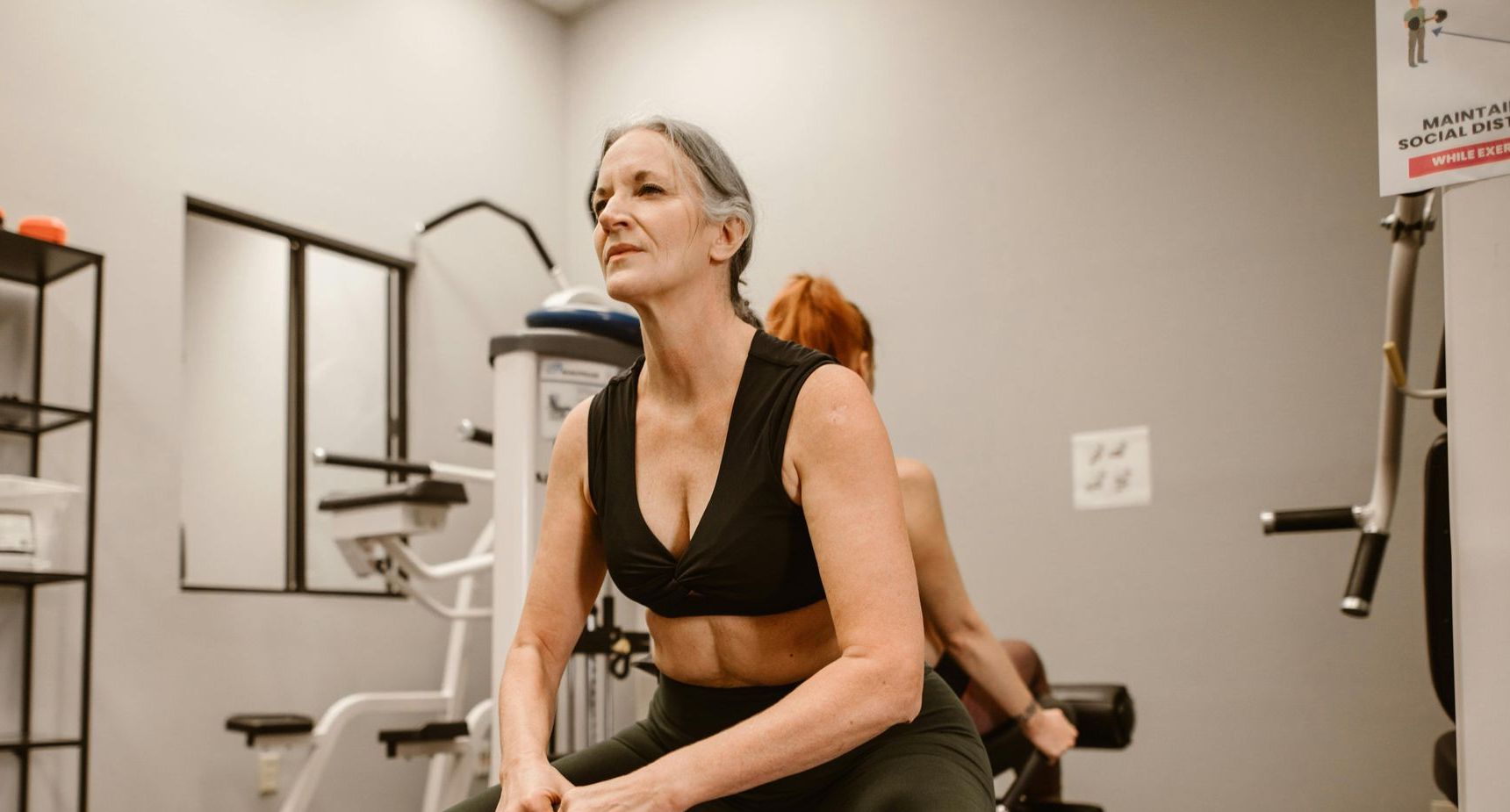
- Physical fitness assessed through VO2 Max testing, addressing physical inactivity.
- Metabolic health the blood panel, HbA1c, and continuous glucose monitoring, addressing diabetes and metabolic dysfunction.
- Cardiovascular risk ApoB and Lp(a) screening, addressing the vascular contribution described above.
None of these measurements are dementia specific tests, and none of them predict an individual outcome. None of this makes dementia preventable, and it would be inaccurate to say so. The Commission's figure is a modelled, population level estimate of attributable risk, not an individual forecast, and the FINGER trial measured cognitive performance over two years in an at risk group, not the prevention of a diagnosis.
If you are in midlife and have not had your vascular, metabolic, and fitness markers measured together, that combination is worth discussing rather than assuming it is being covered elsewhere. Speak to your GP about a referral, or get in touch with Progressive Sports Medicine to ask about a comprehensive assessment.
Dementia is diagnosed late. The factors that shape its risk are measurable decades earlier.
References
- Livingston G, Huntley J, Sommerlad A, and colleagues Dementia prevention, intervention, and care: 2020 report of the Lancet Commission. The Lancet. 2020;396(10248):413 to 446. https://doi.org/10.1016/S0140-6736(20)30367-6
- Ngandu T, Lehtisalo J, Solomon A, and colleagues A 2 year multidomain intervention of diet, exercise, cognitive training, and vascular risk monitoring versus control to prevent cognitive decline in at risk elderly people (FINGER): a randomised controlled trial. The Lancet. 2015;385(9984):2255 to 2263. https://doi.org/10.1016/S0140-6736(15)60461-5